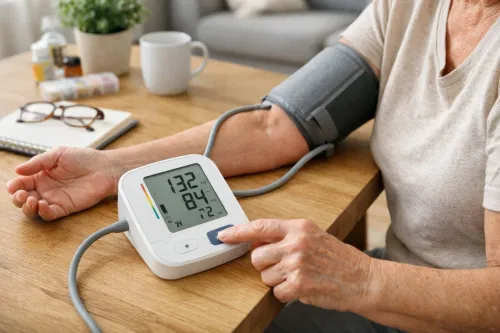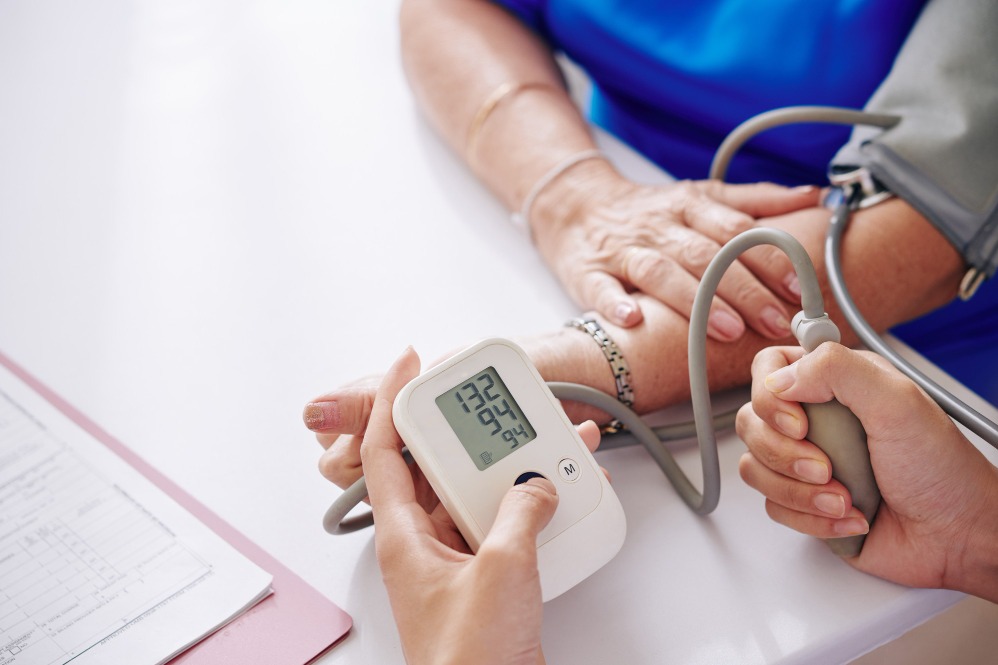
A blood pressure monitor displays two numbers, but understanding what those numbers represent is more useful than simply deciding whether a single reading looks high.
Blood pressure changes throughout the day. Physical activity, stress, sleep, caffeine, pain, medications, plus the way the measurement is taken can influence a reading.
For this reason, hypertension assessment usually depends on properly measured readings rather than one isolated number.
What Is the Top Blood Pressure Number?
The upper number is called systolic blood pressure.
It represents the pressure inside the arteries when the heart contracts to pump blood.
Persistently elevated systolic pressure may increase strain on blood vessels plus important organs over time.
What Is the Bottom Number?
The lower number is called diastolic blood pressure.
It represents arterial pressure while the heart relaxes between beats.
Both values provide useful information. A doctor considers the overall pattern rather than focusing on whichever number appears more concerning.
Why One High Reading Does Not Always Mean Hypertension
Imagine checking your blood pressure immediately after climbing stairs, rushing to an appointment, drinking strong coffee, or experiencing anxiety.
The reading may temporarily rise.
That does not mean elevated readings should be ignored. It means the measurement needs appropriate context.
Repeated readings taken correctly are usually more informative than one measurement taken under unusual circumstances.
Measurement Technique Matters
Small errors can affect home readings.
For a more reliable measurement
- Rest quietly before checking
- Sit with your back supported
- Keep both feet supported
- Avoid talking during measurement
- Position the cuff correctly
- Keep the arm supported
- Use a suitable cuff size
- Record readings consistently
A monitor that is inaccurate or a cuff that does not fit properly can produce misleading results.
Why Blood Pressure Can Become High
Hypertension does not always have one easily identifiable cause.
Risk may be influenced by
- Family history
- Age
- Excess body weight
- High sodium intake
- Low physical activity
- Diabetes
- Kidney disease
- Sleep problems
- Certain medicines
- Tobacco exposure
- Excessive alcohol intake
Sometimes another medical condition contributes to elevated blood pressure, particularly when hypertension appears unexpectedly or becomes difficult to control.
Why Persistent Hypertension Matters
High blood pressure can remain silent for years.
A person may feel completely normal despite repeatedly elevated readings. Over time, uncontrolled hypertension can contribute to cardiovascular, kidney, eye, plus neurological complications.
This is why waiting for symptoms is not a reliable strategy.
When Should You Take Your Readings to a Doctor?
Medical review is useful when home measurements repeatedly remain above the range recommended for you, when readings vary significantly, or when previously controlled blood pressure begins increasing.
A consultation is also important if you already have diabetes, kidney disease, cardiovascular disease, thyroid problems, or several metabolic risk factors.
People receiving hypertension care in Chembur may benefit from bringing a written log or monitor history to the appointment. This allows the physician to examine trends rather than relying on memory.
Medioria Clinic provides internal medicine assessment for adults requiring evaluation or ongoing management of blood pressure-related concerns.
Do Not Change Medication Based on One Reading
People taking antihypertensive medicine sometimes skip a dose when a reading appears normal or take additional medicine when a reading looks high.
Medication changes should generally follow the treating doctor's instructions rather than being made independently from isolated readings.
Blood pressure numbers are most useful when viewed as a pattern. Accurate home monitoring, appropriate medical assessment, plus consistent treatment when prescribed can provide a much clearer understanding of cardiovascular risk than reacting to individual readings.
Keywords