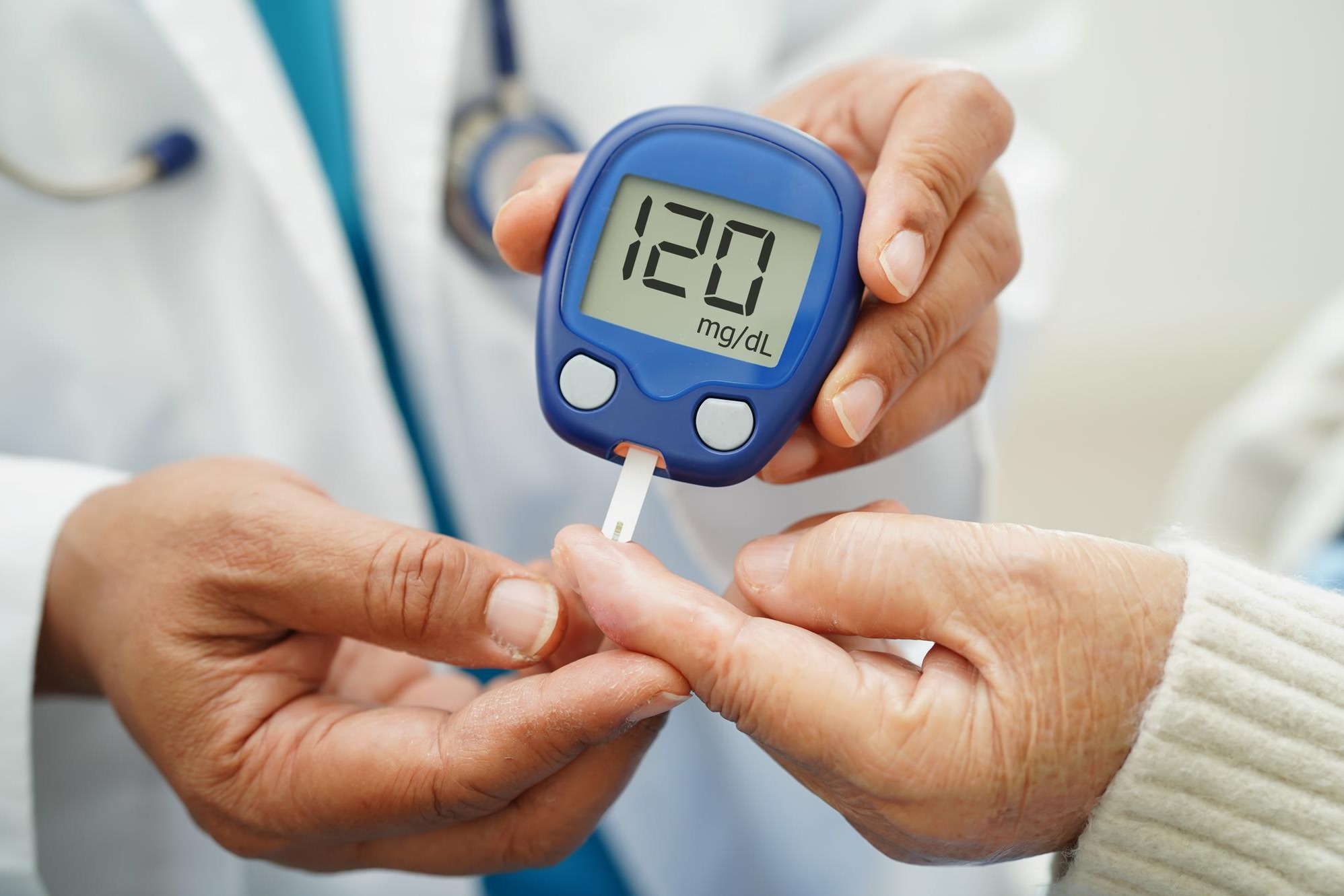
A first diabetes consultation is not simply a visit to receive a prescription. It is an opportunity to understand your glucose levels, identify relevant risk factors, review your daily routine, plus create a practical management plan.
Knowing what to bring can make a diabetes consultation in Chembur considerably more productive.
Bring Your Recent Test Reports
If diabetes was recently detected, bring the reports that led to the diagnosis.
Useful records may include
- Fasting blood glucose
- Post-meal glucose
- HbA1c
- Kidney function tests
- Lipid profile
- Liver-related tests
- Previous health check reports
Not every patient requires exactly the same investigations. The physician will decide which results are clinically relevant.
Previous reports can be equally useful because they show how glucose levels have changed over time.
Prepare a Complete Medication List
Bring the names plus doses of all medicines you currently take.
Include medicines for blood pressure, thyroid disease, cholesterol, heart conditions, plus other chronic illnesses.
Supplements should also be mentioned.
This helps the physician evaluate the complete treatment picture rather than focusing only on glucose-lowering medication.
Expect Questions About Your Daily Routine
Diabetes management is closely connected with everyday habits.
Your doctor may ask about
- Typical meals
- Meal timings
- Physical activity
- Work schedule
- Sleep
- Alcohol intake
- Tobacco exposure
- Recent weight changes
- Family history
- Previous glucose readings
These questions help identify realistic changes that fit your routine.
Your Diabetes History Matters
If you have already been living with diabetes, the physician may ask when you were diagnosed, what treatments you have previously used, whether medicines caused side effects, plus how regularly glucose has been monitored.
Episodes of unusually low glucose are particularly important to report.
Do not leave out medication doses simply because you occasionally miss them. Accurate information allows safer clinical decisions.
The Consultation May Look Beyond Blood Sugar
Diabetes affects more than glucose readings.
Long-term management may involve attention to blood pressure, cholesterol, kidney health, eye health, foot health, body weight, plus cardiovascular risk.
This is why two patients with similar glucose readings may receive different management plans.
Prepare Questions Before the Visit
Many people forget important questions once the consultation begins.
Write them down beforehand.
Useful questions may include
- What do my current results mean?
- How often should glucose be checked?
- What symptoms require medical attention?
- What dietary changes are realistic for me?
- What physical activity is appropriate?
- When should tests be repeated?
- What is the purpose of each medicine?
Understanding the treatment plan can make day-to-day management easier.
Avoid Changing Everything Before Your Appointment
Some patients drastically reduce food intake after receiving an abnormal glucose report.
Others stop eating carbohydrates completely or begin supplements promoted online.
Extreme changes can make assessment more complicated, particularly when medications are already being used.
Until you receive individual guidance, focus on sensible meals, hydration, plus taking prescribed medicines as directed.
What Happens After the First Consultation?
Diabetes management usually requires follow-up rather than a single visit.
The doctor may recommend monitoring glucose, adjusting lifestyle habits, taking medication when appropriate, completing additional tests, plus returning after a specified interval.
At Medioria Clinic, diabetes care can be integrated with assessment of blood pressure, thyroid conditions, weight-related risk, plus other metabolic concerns.
For adults in Chembur, Maharashtra, preparing properly for the first consultation helps the physician understand not only your laboratory numbers but also the health factors influencing them.
Bring your reports, prescriptions, glucose records, plus questions. A well-prepared first visit can create a clearer starting point for long-term diabetes management.
Keywords