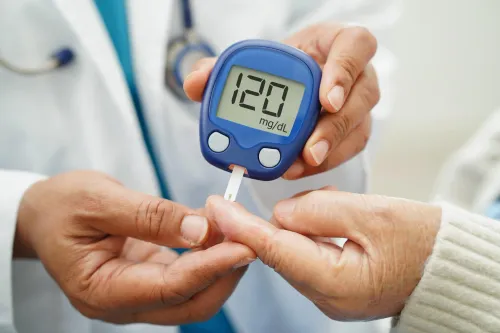
Metabolic health describes how effectively the body manages processes involving blood glucose, blood pressure, fats in the blood, body weight, plus energy regulation.
It is possible to feel well while several metabolic risk factors are gradually developing. This is why metabolic health deserves attention before symptoms become obvious.
Metabolic Health Is More Than Body Weight
Weight is one visible measure, but it does not provide the complete picture.
A broader assessment may consider
- Blood glucose
- HbA1c
- Blood pressure
- Cholesterol
- Triglycerides
- Waist circumference
- Body weight
- Physical activity
- Family history
- Sleep patterns
Someone who appears relatively lean can still have abnormal glucose, cholesterol, or blood pressure.
Likewise, body weight alone cannot determine a person's overall health status.
Why Insulin Sensitivity Matters
Insulin helps the body regulate glucose.
When tissues become less responsive to insulin, the body may need to produce more of it to maintain glucose control. Over time, this can contribute to worsening metabolic health in susceptible individuals.
Several factors may influence insulin sensitivity, including physical activity, body composition, genetics, sleep, diet, plus certain medical conditions.
Blood Pressure Is Part of the Same Picture
Metabolic risk factors frequently cluster together.
A person with elevated glucose may also have high blood pressure, abnormal cholesterol, excess abdominal weight, or other cardiovascular risk factors.
Treating only one number without reviewing the broader pattern can miss opportunities for preventive care.
Daily Habits Can Influence Metabolic Health
Lifestyle is not the only factor, but it is an important modifiable component.
Useful areas to review include
- Meal quality
- Portion size
- Daily movement
- Structured exercise
- Sleep duration
- Work-related inactivity
- Stress management
- Tobacco exposure
- Alcohol consumption
Sustainable improvements generally matter more than short periods of extreme restriction.
Why Routine Testing Can Be Useful
Many metabolic abnormalities remain silent.
High cholesterol may produce no symptoms. Prediabetes may remain unnoticed. Hypertension can exist for years without making someone feel ill.
Screening helps identify these issues before symptoms become the reason for testing.
The appropriate tests plus screening frequency depend on age, family history, existing medical conditions, previous results, plus individual risk.
Family History Deserves Attention
A strong family history of diabetes, hypertension, premature cardiovascular disease, or certain metabolic conditions can influence personal risk.
Family history does not guarantee that someone will develop the same condition.
It does, however, provide useful information when deciding how closely certain health markers should be monitored.
Small Changes Can Be More Sustainable
A complete lifestyle overhaul is rarely necessary overnight.
Practical changes might involve increasing daily walking, improving meal composition, reducing excessive portions, creating more consistent sleep timing, plus reducing prolonged periods of sitting.
The most effective plan is usually one that can be maintained.
When Should You Seek Medical Assessment?
Consider discussing metabolic health with a physician if routine tests show elevated glucose, abnormal cholesterol, high blood pressure, or unexplained weight changes.
Assessment can also be useful when several close relatives have diabetes or cardiovascular disease.
Adults seeking metabolic health consultation in Ghatkopar can benefit from looking at these factors together rather than treating each laboratory number as an unrelated issue.
Medioria Clinic provides internal medicine care with attention to diabetes, thyroid disorders, hypertension, plus broader metabolic health.
Metabolic health is ultimately about long-term risk, not appearance. Understanding your blood pressure, glucose, cholesterol, weight pattern, lifestyle, plus family history can provide a clearer basis for preventive decisions before chronic disease becomes more difficult to manage.
Keywords