Being told that your blood sugar is in the prediabetes range can be concerning, but it also creates an important opportunity for early action. Prediabetes means glucose levels are higher than the normal range but have not reached the diagnostic threshold for diabetes.
For many adults, this stage is a warning that the body's ability to regulate glucose is becoming less efficient.
What Prediabetes Actually Means
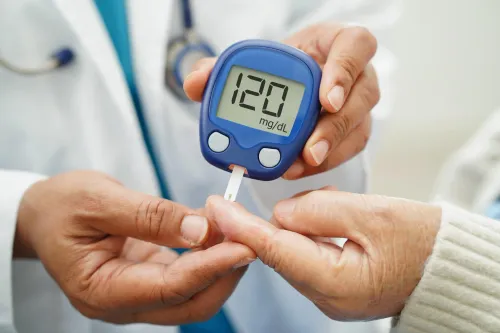
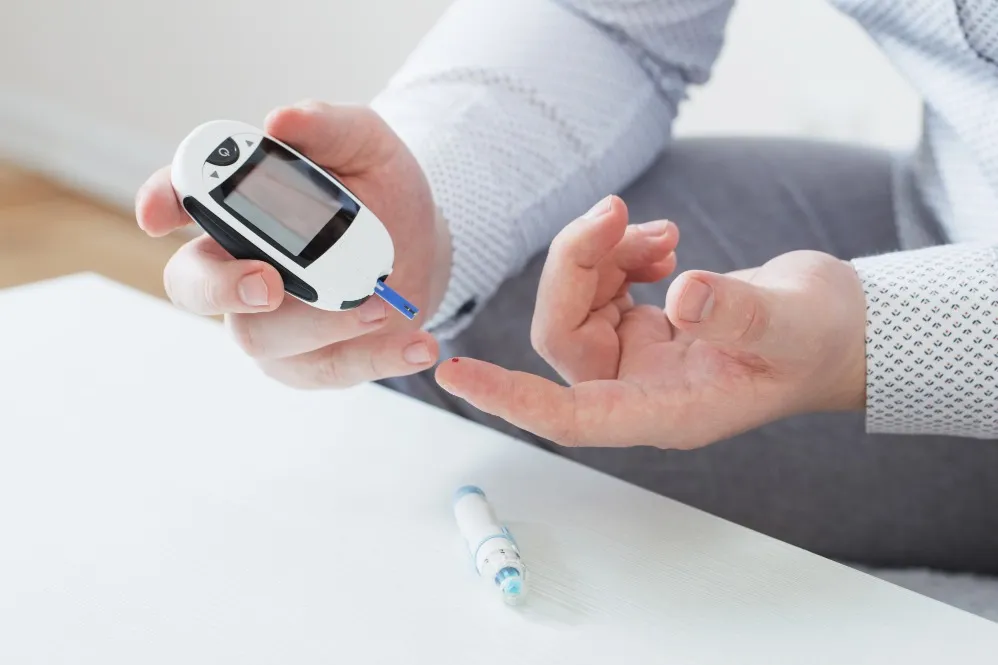
Prediabetes is commonly identified through blood glucose testing such as fasting plasma glucose or HbA1c. A doctor interprets these results in the context of medical history, medications, symptoms, weight, family history, plus other risk factors.
Prediabetes often causes no obvious symptoms.
This is why people may discover it during a routine health check rather than because they feel unwell.
Risk may be higher in people with
- Excess body weight
- Abdominal obesity
- Limited physical activity
- Family history of diabetes
- Previous gestational diabetes
- High blood pressure
- Abnormal cholesterol levels
- Certain metabolic conditions
Can Lifestyle Changes Make a Difference?
Lifestyle modification can significantly improve glucose regulation in many people with prediabetes. The degree of improvement varies according to baseline glucose levels, body weight, genetics, age, activity, plus other medical factors.
The goal is not simply to stop eating sugar.
A more useful approach focuses on overall metabolic health.
Start with Food Quality
Meals that regularly contain large portions of refined carbohydrates can contribute to rapid increases in blood glucose.
A more balanced eating pattern may include vegetables, whole grains in suitable portions, pulses, protein sources, nuts, seeds, plus fibre-rich foods.
Portion size matters too.
Even foods considered healthy can contribute excessive calories when portions consistently exceed the body's energy requirements.
Rather than following an extreme diet found online, dietary changes should be practical enough to maintain over time.
Physical Activity Improves Glucose Use
Muscles use glucose for energy. Regular physical activity can therefore support better insulin sensitivity.
Useful activities may include
- Brisk walking
- Cycling
- Swimming
- Resistance exercises
- Structured fitness sessions
- Increased movement during the working day
Someone who has been inactive should usually increase exercise gradually. People with existing heart disease, significant joint problems, severe obesity, or other medical conditions may need medical guidance before starting intensive exercise.
Weight Reduction Can Be Clinically Meaningful
For people carrying excess weight, even moderate weight reduction may improve metabolic markers.
The objective should be sustainable change rather than rapid weight loss.
Repeated crash diets often fail because they are difficult to maintain. A structured plan built around realistic food choices, regular activity, adequate sleep, plus consistent follow-up is generally more practical.
Sleep Plus Stress Deserve Attention
Poor sleep can influence appetite, food choices, energy levels, plus glucose regulation.
Chronic stress can also make healthy routines more difficult to maintain.
Improving sleep schedules, reducing late-night eating, creating consistent meal patterns, plus building manageable physical activity into daily life can support broader metabolic improvement.
Monitoring Shows Whether Changes Are Working
Lifestyle modification should not replace follow-up testing.
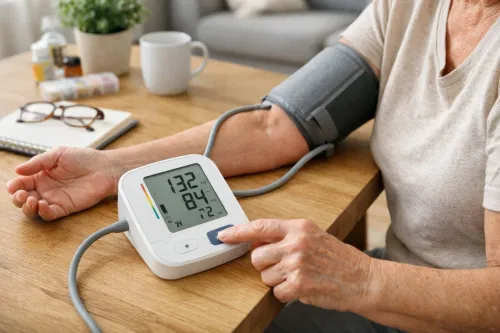
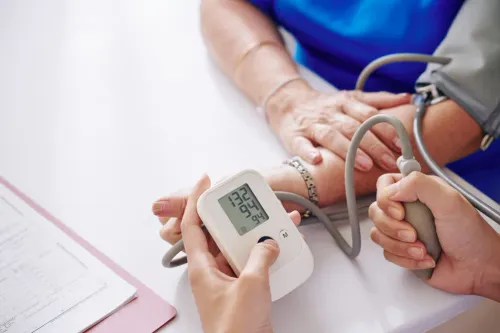
A doctor may recommend repeat glucose tests after an appropriate interval to assess progress. Blood pressure, cholesterol, body weight, waist measurements, plus other metabolic indicators may also be reviewed.
For adults seeking prediabetes management in Kurla, early evaluation can help identify which risk factors are most relevant rather than relying on a generic diet plan.
Prediabetes is not something to ignore simply because symptoms are absent. It is a stage where meaningful intervention may reduce future diabetes risk for many people.
The most useful response to a prediabetes result is therefore not panic. It is a structured plan based on nutrition, physical activity, weight management, sleep, appropriate testing, plus medical follow-up.
Keywords