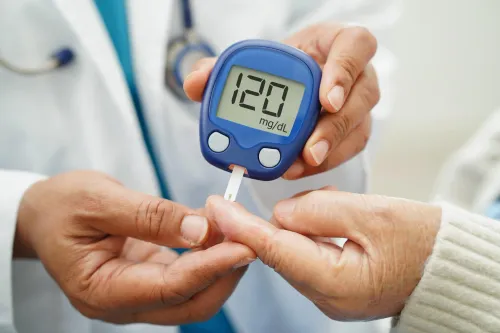
Starting insulin can feel like a major step for someone living with diabetes. Some people interpret insulin therapy as evidence that they have failed to control their condition.
That interpretation is misleading.
Insulin is a medical treatment used when the body needs additional support to regulate blood glucose. Whether it is required depends on the type of diabetes, glucose levels, symptoms, response to other treatment, plus the patient's overall clinical situation.
What Does Insulin Do?
Insulin is a hormone that helps glucose move from the bloodstream into cells where it can be used for energy.
When the body produces insufficient insulin or cannot use insulin effectively, blood glucose can rise.
Insulin therapy provides insulin from outside the body to help improve glucose control.
Is Insulin Always Needed in Diabetes?
No.
Treatment varies considerably between patients.
Some people may manage glucose through lifestyle changes plus non-insulin medicines for a period of time. Others require insulin earlier.
Certain forms of diabetes require insulin because the body cannot produce enough of its own.
In type 2 diabetes, insulin may be considered under particular clinical circumstances.
Why Might a Doctor Recommend Insulin?
Possible reasons include very high glucose levels, significant symptoms, inadequate control despite other treatment, certain acute illnesses, pregnancy-related considerations, or situations where particular medicines are unsuitable.
The decision is individual.
A physician considers laboratory results, symptoms, current medicines, kidney function, other health conditions, plus risk of low blood glucose before recommending a treatment plan.
Does Starting Insulin Mean It Will Be Permanent?
Not necessarily in every situation.
Some patients may require insulin temporarily during periods of severe illness, surgery, major metabolic disturbance, or other specific circumstances.
Other patients need long-term insulin treatment.
Whether therapy can later be reduced or changed depends on the underlying condition plus clinical response.
Patients should never stop insulin independently because glucose readings have improved.
Learning Injection Technique Matters
Correct insulin use involves more than knowing the dose.
Patients may need guidance about
- Injection technique
- Injection sites
- Timing
- Storage
- Glucose monitoring
- Recognition of low glucose
- Meal timing
- Travel precautions
Understanding these practical details helps reduce medication errors.
Low Blood Glucose Requires Awareness
Insulin can sometimes cause blood glucose to fall too low.
Symptoms may include sweating, shakiness, hunger, weakness, confusion, palpitations, or other changes.
Patients prescribed insulin should understand how to recognise low glucose plus what action their clinician recommends.
This education is an important part of safe insulin therapy.
Monitoring Helps Guide Treatment
Blood glucose records can help a doctor understand how insulin is working at different times of day.
Depending on the treatment plan, patients may be asked to monitor fasting levels, readings around meals, or other specific times.
The monitoring schedule should be individualised rather than copied from another person's diabetes routine.
Insulin Is a Tool, Not a Failure
Diabetes changes over time.
The body's insulin production plus response can change, meaning treatment that worked previously may no longer provide adequate control.
Adjusting treatment reflects the medical condition, not personal failure.
People considering insulin therapy in Kurla should discuss concerns openly during consultation rather than delaying treatment because of fear or misconceptions.
At Medioria Clinic, diabetes consultations can include review of glucose patterns, current medicines, lifestyle factors, plus treatment options based on individual clinical needs.
When insulin is medically indicated, understanding why it is being recommended can make the transition far less intimidating. Appropriate education, glucose monitoring, correct technique, plus follow-up are central to using insulin safely.
Keywords