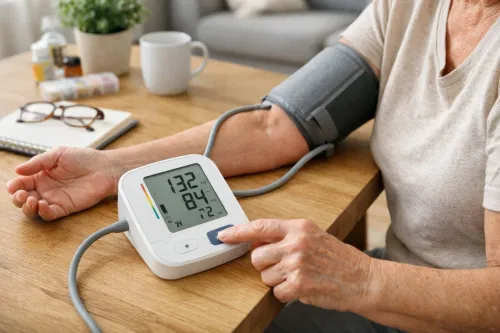
High blood pressure, also known as hypertension, is one of the most common chronic health conditions affecting adults today. What makes it particularly concerning is that it often develops without noticeable symptoms. Many people feel perfectly well while their blood pressure remains consistently elevated, earning hypertension the reputation of being a silent condition. When someone begins searching for the Best Doctor for Hypertension, it is usually after a high reading during a routine health check-up or because they have started experiencing symptoms that raise concerns.
For residents of Kurla and nearby areas such as Ghatkopar, Chembur, and Sion, understanding what happens during a hypertension consultation can reduce uncertainty and encourage timely medical care. The first appointment is not simply about prescribing medicationit is an opportunity to understand your overall cardiovascular health and identify factors contributing to elevated blood pressure.
Why Early Evaluation Is Important
Blood pressure naturally changes throughout the day depending on activity levels, stress, sleep, and other factors. However, consistently high readings should never be ignored.
Untreated hypertension increases the risk of several serious health conditions, including:
- Heart disease
- Stroke
- Kidney disease
- Vision problems
- Heart failure
- Peripheral artery disease
Because these complications often develop gradually, early diagnosis and regular monitoring play an important role in protecting long-term health.
Preparing for Your First Appointment
A little preparation before your consultation can help your doctor gain a clearer understanding of your health.
It is helpful to bring:
- Previous blood pressure readings, if available.
- Reports from recent blood tests.
- A list of current medications and supplements.
- Details of any existing medical conditions.
- Information about family history of hypertension, diabetes, or heart disease.
- Notes about symptoms you have experienced.
Even if you do not have previous records, your consultation can still provide valuable insights into your current health status.
What Questions Will the Doctor Ask?
A detailed medical history forms an important part of evaluating hypertension.
Your doctor may ask questions about:
- When high blood pressure was first noticed.
- Whether you experience headaches, dizziness, or blurred vision.
- Your eating habits.
- Physical activity levels.
- Sleep quality.
- Tobacco or alcohol use.
- Stress at work or home.
- Family history of cardiovascular disease.
- Existing conditions such as diabetes or thyroid disorders.
These questions help identify possible causes of high blood pressure and determine whether additional investigations are required.
Physical Examination During the Consultation
The consultation usually includes a comprehensive physical examination rather than relying on a single blood pressure reading.
Your physician may:
- Measure blood pressure in a controlled setting.
- Check your heart rate.
- Record your height and weight.
- Calculate body mass index (BMI).
- Examine your heart and lungs.
- Assess swelling in the legs or ankles.
- Evaluate circulation and pulse.
Sometimes blood pressure may be measured more than once during the visit because anxiety or recent physical activity can temporarily increase readings.
Investigations That May Be Recommended
If hypertension is confirmed or suspected, your physician may advise certain investigations to understand your overall health and identify possible complications.
These may include:
- Complete blood count
- Blood sugar tests
- HbA1c, if diabetes is suspected
- Kidney function tests
- Lipid profile
- Thyroid function tests
- Urine examination
- Electrocardiogram (ECG), when clinically indicated
These investigations provide important information about conditions that commonly occur alongside hypertension.
Understanding the Cause of High Blood Pressure
Not all hypertension develops for the same reason.
Some people have primary hypertension, which develops gradually over time and is influenced by genetics, ageing, and lifestyle factors.
Others may have secondary hypertension, where high blood pressure results from another medical condition such as:
- Kidney disease
- Hormonal disorders
- Thyroid conditions
- Certain medications
- Sleep-related breathing disorders
Identifying the underlying cause helps guide appropriate treatment.
Is Medication Always Necessary?
One of the most common questions patients ask is whether they will need lifelong medication.
The answer depends on several factors, including:
- Blood pressure levels.
- Overall cardiovascular risk.
- Age.
- Presence of diabetes or kidney disease.
- Lifestyle habits.
- Results of laboratory investigations.
For some individuals with mildly elevated blood pressure, lifestyle modifications may initially be recommended. Others may benefit from medication alongside healthy lifestyle changes.
Treatment plans are always individualised rather than based on a single blood pressure reading.
Lifestyle Changes That Support Blood Pressure Control
Managing hypertension involves more than taking medicines. Daily habits have a significant influence on long-term blood pressure control.
Your physician may recommend:
- Reducing salt intake.
- Eating a balanced diet rich in fruits and vegetables.
- Maintaining a healthy body weight.
- Exercising regularly.
- Limiting alcohol consumption.
- Avoiding tobacco products.
- Managing stress effectively.
- Getting adequate sleep.
- Monitoring blood pressure at home when advised.
These changes can complement medical treatment and support better cardiovascular health.
Why Regular Follow-Up Matters
Hypertension management is an ongoing process rather than a one-time consultation.
Regular follow-up appointments allow your physician to:
- Review blood pressure trends.
- Adjust medications if required.
- Monitor kidney function and overall health.
- Assess treatment effectiveness.
- Reinforce lifestyle recommendations.
- Detect complications early.
Consistent monitoring often leads to better blood pressure control and reduces the likelihood of future cardiovascular events.
Taking Control of Your Heart Health
A diagnosis of hypertension can feel overwhelming, but it is a condition that can often be managed effectively with the right medical guidance and long-term care. Seeking evaluation early allows potential risk factors to be identified before they contribute to more serious health problems.
Medioria Clinic provides comprehensive assessment and management for adults with hypertension, combining detailed clinical evaluation with evidence-based treatment plans. Under the care of Dr. Abhijit Chavan, patients receive personalised guidance that considers their overall health, existing medical conditions, and lifestyle.
For individuals in Kurla and surrounding areas, understanding what to expect during a hypertension consultation can make the first step toward better health much easier. Regular monitoring, informed treatment decisions, and healthy lifestyle practices together form the foundation of effective blood pressure management and long-term cardiovascular well-being.
Keywords