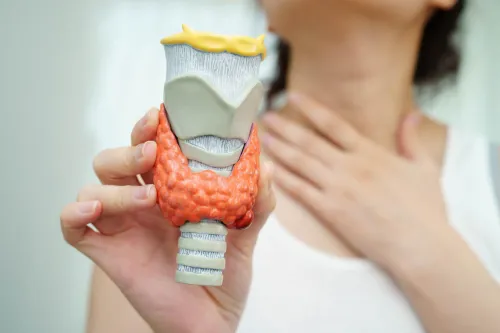
The thyroid is a small butterfly-shaped gland located at the front of the neck, but it has a significant impact on the body's overall health. It produces hormones that regulate metabolism, energy levels, heart rate, body temperature, and many other essential functions. When the thyroid does not produce the right amount of hormones, it can affect nearly every organ system. For adults in Sion, recognising the common symptoms of thyroid disorders can help ensure timely medical evaluation and appropriate care.
Thyroid disorders are common in both men and women, although they occur more frequently in women. Because the symptoms often develop gradually, many people mistake them for normal ageing, stress, or lifestyle changes.
What Are Thyroid Disorders?
The two most common thyroid conditions are:
- Hypothyroidism, where the thyroid produces too little hormone.
- Hyperthyroidism, where the gland produces excessive thyroid hormone.
Each condition affects the body differently, but both require proper medical assessment and treatment.
Symptoms of Hypothyroidism
When thyroid hormone levels are too low, the body's metabolism slows down.
Common symptoms include:
- Persistent fatigue
- Feeling unusually cold
- Weight gain
- Dry skin
- Hair thinning
- Constipation
- Depression or low mood
- Slower heart rate
- Puffy face
- Difficulty concentrating
These symptoms often develop gradually, making them easy to overlook.
Symptoms of Hyperthyroidism
Excess thyroid hormone speeds up the body's metabolism.
Common symptoms may include:
- Unexplained weight loss
- Rapid heartbeat
- Anxiety or nervousness
- Increased sweating
- Heat intolerance
- Tremors
- Difficulty sleeping
- Frequent bowel movements
- Muscle weakness
Some people may also notice swelling in the neck due to an enlarged thyroid gland.
When Should You Seek Medical Advice?
Occasional tiredness or minor weight fluctuations are common, but persistent symptoms should not be ignored.
Medical evaluation is advisable if you experience:
- Ongoing fatigue despite adequate sleep
- Unexplained weight changes
- Changes in heart rate
- Persistent constipation
- Difficulty tolerating heat or cold
- Hair loss that continues for several months
- Swelling around the neck
Early assessment helps determine whether thyroid dysfunction or another medical condition is responsible.
How Are Thyroid Disorders Diagnosed?
Diagnosis usually begins with a detailed medical history and physical examination.
Blood tests commonly include:
- Thyroid Stimulating Hormone (TSH)
- Free T4
- Free T3 in selected cases
Depending on the findings, additional investigations such as thyroid antibody tests or ultrasound may be recommended.
Can Thyroid Disorders Be Managed?
Yes. Most thyroid conditions can be effectively managed with appropriate medical care.
Management may include:
- Prescription medications
- Regular blood test monitoring
- Lifestyle modifications
- Nutritional guidance where appropriate
- Periodic follow-up consultations
Treatment plans are individualized based on the type and severity of the thyroid disorder.
Why Early Diagnosis Is Important
Untreated thyroid disorders can affect multiple aspects of health, including cholesterol levels, heart function, fertility, bone health, and mental well-being. Early diagnosis allows healthcare providers to begin treatment before significant complications develop.
Routine health checkups are particularly beneficial for adults with a family history of thyroid disease, autoimmune disorders, diabetes, or persistent unexplained symptoms.
Healthcare providers such as Medioria Clinic evaluate thyroid-related concerns through clinical assessment and appropriate laboratory investigations. Patients looking to understand preventive healthcare and physician-led evaluation can also explore drabhijitchavanmd.com for additional information.
Many thyroid symptoms resemble those of other common health conditions, making professional evaluation essential. Recognising persistent changes in energy levels, weight, heart rate, or body temperature and seeking timely medical advice can lead to earlier diagnosis and better long-term health outcomes.
Keywords