Diabetes often develops gradually, making its early symptoms easy to overlook. Many adults continue with their daily routine without realizing that subtle changes in their body may indicate rising blood sugar levels. Recognising these warning signs early can lead to timely diagnosis and better management. For residents of Kurla, where demanding work schedules and sedentary lifestyles are increasingly common, understanding these symptoms is an important step toward protecting long-term health.
Diabetes occurs when the body cannot effectively regulate blood glucose. Over time, uncontrolled blood sugar can affect the heart, kidneys, eyes, nerves, and blood vessels. Identifying the condition in its early stages allows for lifestyle changes and medical care that may help prevent complications.
Frequent Urination
One of the earliest signs of diabetes is needing to urinate more often than usual, particularly during the night. Excess glucose in the bloodstream causes the kidneys to work harder, leading to increased urine production.
Increased Thirst
Because the body loses more fluids through frequent urination, persistent thirst often follows. Drinking more water may temporarily relieve the feeling, but the thirst usually returns if blood sugar remains elevated.
Constant Fatigue
Many people with developing diabetes experience unusual tiredness even after adequate rest. When glucose cannot enter the body's cells efficiently, energy production decreases, leaving individuals feeling weak or exhausted throughout the day.
Unexplained Weight Changes
Unexpected weight loss without changes in diet or exercise may occur in some individuals. Others may notice gradual weight gain related to insulin resistance. Either change deserves medical attention, especially when accompanied by other symptoms.
Increased Hunger
Despite eating regular meals, some people continue to feel hungry because the body's cells are unable to use glucose effectively for energy. This persistent hunger may occur alongside fatigue and weight changes.
Slow-Healing Wounds
Cuts, bruises, or minor injuries that take longer than usual to heal may indicate elevated blood sugar levels. High glucose can affect circulation and slow the body's natural healing process.
Blurred Vision
Temporary blurred vision can occur when high blood sugar affects the fluid balance within the eyes. Although vision often improves after blood sugar is controlled, persistent changes should always be evaluated by a healthcare professional.
Tingling or Numbness
Some individuals notice tingling, burning sensations, or numbness in their hands or feet. While these symptoms may have different causes, they can also be early indicators of nerve involvement associated with diabetes.
Frequent Infections
Repeated skin infections, urinary tract infections, or fungal infections may develop more often when blood sugar remains elevated. The body's ability to fight infection can become less effective over time.
Who Is More Likely to Develop Diabetes?
Certain factors increase the likelihood of developing diabetes, including:
- Family history of diabetes
- Being overweight or obese
- Physical inactivity
- High blood pressure
- High cholesterol
- Age above 35 years
- Previous gestational diabetes
- Unhealthy dietary habits
Having one or more risk factors does not guarantee diabetes, but it does make regular screening more important.
Why Early Testing Matters
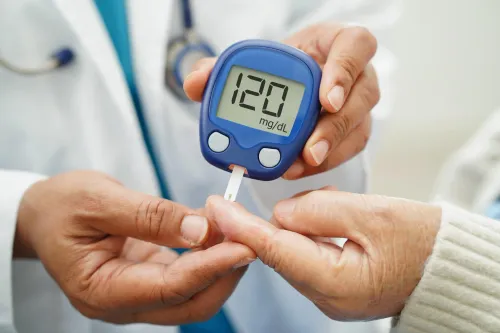
Many adults discover diabetes only during routine health checkups because the disease may remain silent for years. Blood sugar tests and HbA1c testing help healthcare providers evaluate long-term glucose control and identify diabetes or prediabetes before complications develop.
Clinics such as Medioria Clinic focus on preventive healthcare by assessing risk factors, interpreting blood test results, and helping patients understand lifestyle measures that support better metabolic health. Additional information about physician-led preventive care is available through drabhijitchavanmd.com.
Recognising the early signs of diabetes does not mean a person has the condition, but it is a good reason to seek medical evaluation. Timely diagnosis, healthier eating habits, regular exercise, weight management, and routine follow-up can significantly improve long-term health and reduce the risk of diabetes-related complications.
Keywords