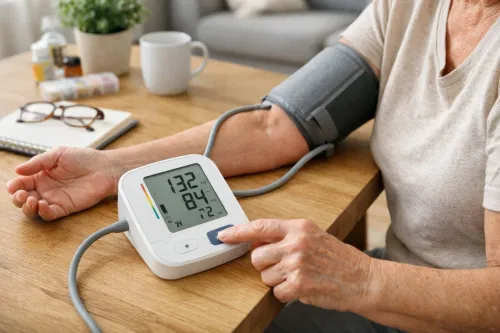
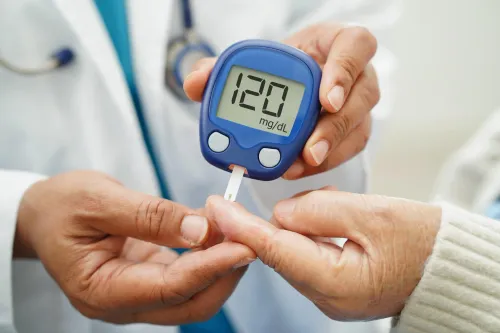
Managing blood sugar is not only important for people diagnosed with diabetes but also for individuals who may be at risk of developing the condition. While a single blood sugar reading provides information about glucose levels at a particular moment, it does not show the overall picture. This is where the HbA1c test becomes valuable. It measures average blood sugar levels over the previous two to three months, helping physicians assess long-term glucose control. For adults in Chembur, understanding this simple blood test can support early diagnosis and better management of diabetes.
Many people with prediabetes or type 2 diabetes experience no noticeable symptoms during the early stages. Regular screening using HbA1c testing can help identify problems before complications develop.
What Is an HbA1c Test?
HbA1c, also called glycated hemoglobin, is a blood test that measures the percentage of hemoglobin coated with glucose. Since red blood cells typically live for about three months, the test reflects average blood sugar levels over that period.
Unlike a fasting blood sugar test, HbA1c does not usually require fasting, making it convenient for many patients.
Why Is HbA1c Important?
The HbA1c test provides a broader understanding of blood sugar control than a single glucose reading. It helps physicians:
- Diagnose diabetes and prediabetes
- Monitor diabetes treatment effectiveness
- Evaluate long-term glucose control
- Assess the risk of diabetes-related complications
- Guide treatment and lifestyle recommendations
Regular monitoring allows healthcare providers to make timely adjustments to treatment plans if required.
Who Should Consider HbA1c Testing?
This test may be recommended for adults who:
- Are above 35 years of age
- Have a family history of diabetes
- Are overweight or obese
- Have high blood pressure
- Have high cholesterol
- Lead a physically inactive lifestyle
- Have previously been diagnosed with prediabetes
- Experience symptoms such as excessive thirst, frequent urination, or unexplained fatigue
Even individuals without symptoms may benefit from periodic screening if they have significant risk factors.
How Is the Test Performed?
HbA1c testing requires a small blood sample collected from a vein. The sample is sent to a laboratory for analysis, and results are usually available within a short time depending on the laboratory.
Since fasting is generally not necessary, patients can often undergo the test at a convenient time during the day.
Understanding the Results
The HbA1c result is expressed as a percentage.
Generally:
- A lower value indicates better long-term blood sugar control.
- Intermediate values may suggest prediabetes.
- Higher values can indicate diabetes or inadequate glucose management.
Your physician interprets the results alongside your medical history, symptoms, and other laboratory findings rather than relying on a single number.
How Often Should HbA1c Be Checked?
The frequency depends on individual health status.
People with diabetes may require testing every few months to monitor treatment effectiveness, while individuals without diabetes but at increased risk may be advised to undergo periodic screening as part of routine preventive healthcare.
Can HbA1c Levels Be Improved?
Yes. Long-term blood sugar control often improves with consistent healthy habits.
Helpful measures include:
- Following a balanced diet
- Exercising regularly
- Maintaining a healthy weight
- Taking prescribed medications as directed
- Managing stress
- Getting sufficient sleep
- Attending regular medical follow-ups
Small, sustainable lifestyle changes often have a meaningful impact over time.
Why Early Detection Makes a Difference
Prediabetes and diabetes frequently develop without obvious warning signs. Detecting elevated blood sugar early allows physicians to recommend interventions before complications affect the heart, kidneys, eyes, or nerves.
At Medioria Clinic, HbA1c testing is considered an important part of evaluating individuals at risk of diabetes and monitoring those already living with the condition. The provider combines laboratory findings with clinical assessment to develop personalised care plans. More information about preventive healthcare services is available through drabhijitchavanmd.com.
The HbA1c test is more than just a laboratory value. It provides valuable insight into long-term blood sugar control, supports early diagnosis, and helps guide treatment decisions. Regular screening, combined with healthy lifestyle choices and routine medical follow-up, plays an essential role in preventing diabetes-related complications.
Keywords