High blood pressure is often referred to as the silent killer because it usually develops without noticeable warning signs. Many people feel completely healthy while their blood pressure gradually rises to unsafe levels. Without regular monitoring, the condition may go undetected for years, increasing the risk of serious health problems such as heart disease, stroke, kidney damage, and vision loss. For adults living in Chembur, where work stress, sedentary routines, and dietary habits can affect overall health, understanding this condition is an important part of preventive healthcare.
Blood pressure measures the force of blood pushing against the walls of the arteries. It naturally changes throughout the day depending on activity, stress, and other factors. However, consistently elevated readings require medical attention because they place extra strain on the heart and blood vessels.
Why Is It Called the Silent Killer?
Unlike many medical conditions, high blood pressure rarely causes obvious symptoms in its early stages. A person may continue working, exercising, and carrying out daily activities without realizing that damage is occurring inside the body.
Over time, uncontrolled blood pressure can affect several organs, including:
- Heart
- Brain
- Kidneys
- Eyes
- Blood vessels
By the time symptoms appear, complications may already have developed.
Common Risk Factors
Several factors increase the likelihood of developing high blood pressure.
These include:
- Family history of hypertension
- Age above 30 years
- Excess body weight
- High salt intake
- Lack of physical activity
- Smoking
- Excessive alcohol consumption
- Diabetes
- Chronic stress
- Poor sleep quality
Having one or more of these risk factors does not necessarily mean someone will develop hypertension, but regular screening becomes increasingly important.
Can High Blood Pressure Cause Symptoms?
Although hypertension is usually symptom-free, extremely high blood pressure may sometimes lead to:
- Severe headaches
- Blurred vision
- Chest discomfort
- Shortness of breath
- Dizziness
- Nosebleeds in some cases
These symptoms should never be ignored, as they may indicate a medical emergency requiring immediate evaluation.
How Does High Blood Pressure Affect the Body?
Persistent high blood pressure forces the heart to work harder to pump blood. This extra workload gradually weakens the cardiovascular system.
Possible long-term complications include:
Heart Disease
Hypertension increases the risk of heart attacks, heart failure, and enlargement of the heart muscle.
Stroke
Damaged blood vessels in the brain may become blocked or rupture, leading to a stroke.
Kidney Damage
The kidneys rely on healthy blood vessels to filter waste from the bloodstream. High blood pressure can reduce kidney function over time.
Vision Problems
Tiny blood vessels in the eyes can become damaged, affecting vision if hypertension remains uncontrolled.
How Is High Blood Pressure Diagnosed?
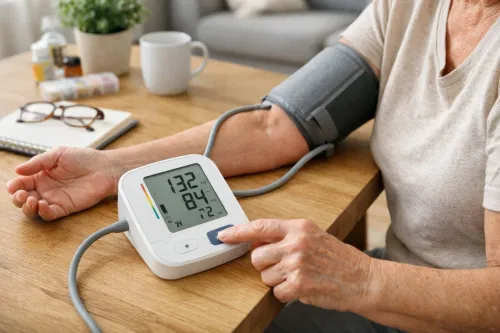
Diagnosis is simple and painless. A healthcare professional measures blood pressure using an appropriately sized cuff. Because readings can vary, multiple measurements taken on different occasions may be recommended before confirming a diagnosis.
Some individuals may also benefit from home blood pressure monitoring to provide a more complete picture of their blood pressure throughout the day.
Can High Blood Pressure Be Prevented?
While not every case can be prevented, healthy lifestyle habits can significantly reduce the risk.
Helpful practices include:
- Eating a balanced diet with less salt
- Maintaining a healthy weight
- Exercising regularly
- Managing stress effectively
- Getting adequate sleep
- Avoiding tobacco products
- Limiting alcohol intake
- Attending routine health checkups
These habits also contribute to better overall cardiovascular health.
Why Regular Health Checkups Matter
Many adults only discover high blood pressure during routine medical examinations. Since hypertension often develops silently, periodic blood pressure monitoring becomes especially valuable after the age of 30 or for individuals with diabetes, obesity, or a family history of heart disease.
At Medioria Clinic, preventive healthcare focuses on identifying risk factors before complications arise. The provider evaluates blood pressure alongside other important health indicators and guides patients on appropriate lifestyle modifications. Additional information about physician services and preventive care can be found at drabhijitchavanmd.com.
High blood pressure earns the name silent killer because it quietly damages the body without obvious warning signs. Regular monitoring, healthy lifestyle choices, and timely medical evaluation remain the most effective ways to protect long-term heart health and reduce the risk of serious complications.
Keywords